

.avif)

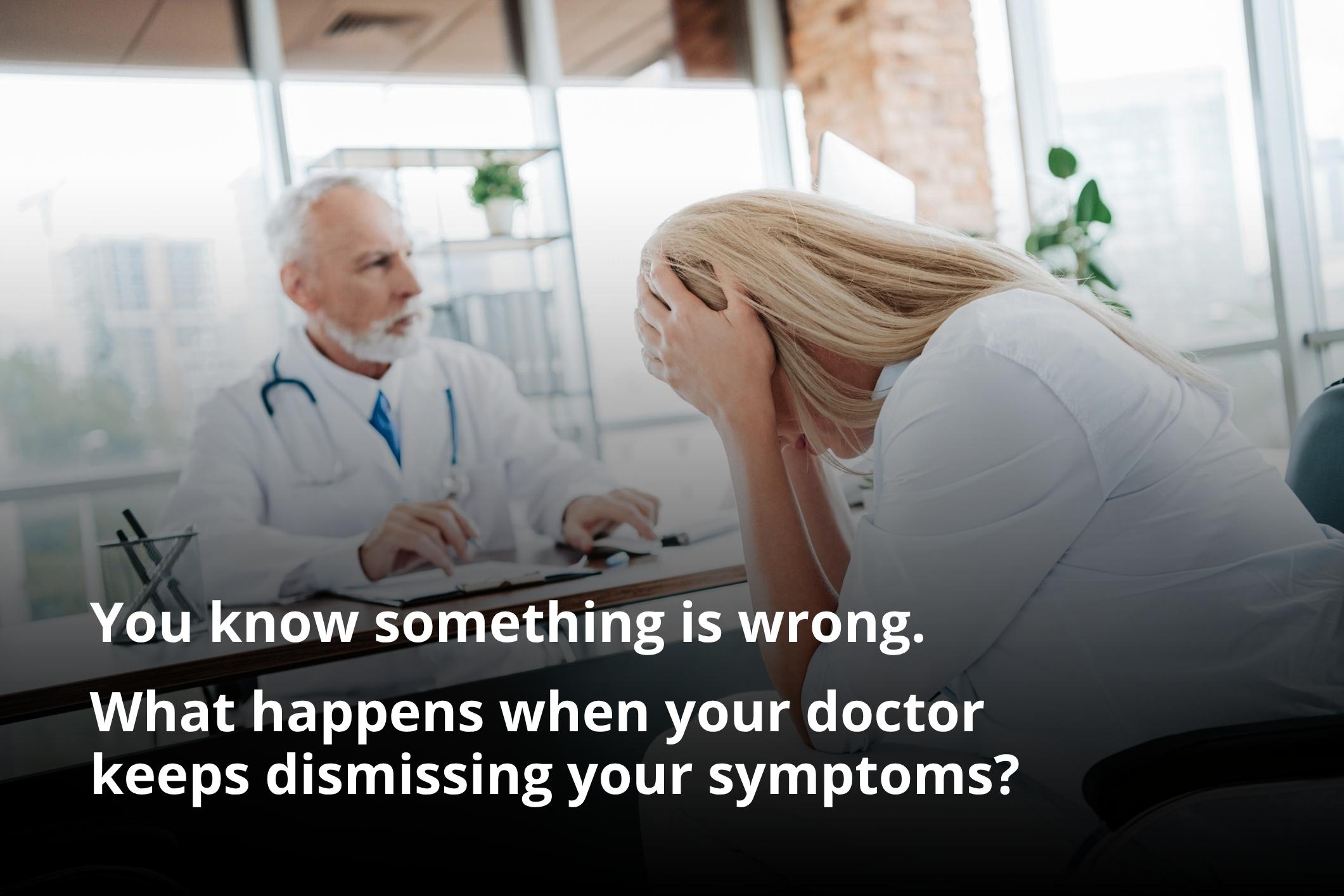
You describe your symptoms, explain how much they are affecting you, and expect your concerns to be taken seriously. Instead, you hear “It’s probably stress.” “Try exercising.” “Your tests look fine.” Maybe the conversation keeps coming back to your weight, age, anxiety, or something buried in your medical history.
That experience has a name: medical gaslighting.
It describes situations where a healthcare provider dismisses, minimizes, or explains away a patient’s symptoms without giving them appropriate consideration. For patients, the result can be weeks or months spent trying to convince someone to take their symptoms seriously.
Knowing what is medical gaslighting and the different ways patients can be dismissed can help you put words to what you have experienced and recognize when the care you received raises bigger concerns.
If a missed or delayed diagnosis caused you serious harm, call Thorsnes Bartolotta McGuire at (619) 236-9363 or contact us online for a free consultation.
The medical gaslighting definition generally refers to a healthcare provider dismissing, minimizing, or questioning a patient’s symptoms or concerns without adequately considering them.
Harvard Health describes medical gaslighting as healthcare professionals appearing to ignore or invalidate a patient’s concerns and notes that it has been linked to missed diagnoses, delayed treatment, and poor health outcomes.
It is not always as obvious as a doctor saying, “There’s nothing wrong with you.” A patient might be told their symptoms come from stress, weight, age, or an existing condition. A doctor might rely on an earlier test despite new symptoms or offer a generic recommendation without investigating severe pain.
Any of those explanations could be medically appropriate. Problems arise when a provider continues relying on an explanation without adequately investigating symptoms that persist, change, or become more severe.
1. “It’s Probably Just Stress or Anxiety”
Stress and anxiety can cause physical symptoms, giving doctors legitimate reasons to consider them. But attributing symptoms to anxiety too quickly can result in another medical condition being overlooked.
For example, someone seeking treatment for heart palpitations, dizziness, and shortness of breath might repeatedly hear that anxiety is responsible. If the symptoms warrant cardiac testing or further evaluation, simply attributing them to anxiety could delay diagnosis and treatment.
2. “Have You Tried Exercising?”
Imagine waiting three weeks for an orthopedic appointment because severe pain in both wrists is interfering with your ability to use your hands and work. Medication barely touches the pain, and you want to know why it is happening.
The appointment lasts about 15 minutes. The doctor recommends an exercise that works for them personally, focuses on an outdated detail in your medical history, and offers no testing or explanation for the pain.
Recommending exercise is not inherently problematic. But severe, unexplained pain may warrant more than a generic suggestion before the patient is sent home without answers.
3. “Your Tests Are Normal”
A normal result can rule out the condition a doctor was looking for without explaining why you are still sick or in pain. Yet patients sometimes hear “everything looks normal” as though there is nothing left to investigate.
Persistent pain, weakness, numbness, fatigue, or other symptoms could call for different testing, another examination, or a specialist referral. Diagnostic errors remain a significant patient-safety issue, as reflected in research on medical malpractice statistics.
4. “You Just Need to Lose Weight”
Weight can affect a person’s health. It can also become an easy explanation for symptoms that have another cause.
A patient with recurring abdominal pain might receive repeated advice about weight loss without further investigation. Joint pain, fatigue, shortness of breath, and other complaints can receive the same response. If another condition is causing those symptoms, focusing primarily on weight can delay the testing needed to identify it.
5. “There’s Nothing We Can Do. You’ll Have to Wait It Out.”
Sometimes the medical condition has already been diagnosed, but the patient still struggles to have the severity of their symptoms taken seriously.
Consider a pregnant patient with diagnosed gallstones who has made several emergency room visits during painful attacks involving vomiting and loss of bladder control. Her condition is known, and an earlier ER physician treated the severe pain. During another attack, however, a different physician refuses to provide pain relief and tells her she will simply have to wait for it to pass.
The diagnosis was never in dispute. The issue is whether the patient’s pain, symptoms, and medical needs received appropriate consideration during that visit.
6. “Give It a Few More Weeks”
Waiting to see whether symptoms improve is sometimes appropriate. The situation looks different when the patient comes back because the pain has increased, the original treatment has failed, or new symptoms have developed.
A patient with an injury might initially be advised to rest and allow time for healing. If the patient returns weeks later with increasing pain and receives the same advice without further evaluation, treatment can be delayed for an injury that requires more medical attention.
7. “We Already Checked That”
Previous testing does not always settle the issue when a patient’s condition has changed since the test was performed.
This can be especially serious in an emergency room. A patient who returns after discharge may now have more intense pain, a fever, vomiting, weakness, or another new symptom. Those changes can provide information that was not available during the first visit and warrant another evaluation.
Failure to respond appropriately to new or worsening symptoms can lead to ER medical malpractice when the patient suffers harm because necessary care was delayed.
If you believe your symptoms should have prompted additional testing, treatment, or a referral, call Thorsnes Bartolotta McGuire at (619) 236-9363. We can review the medical decisions that were made and how they affected your care.
For patients asking is medical gaslighting malpractice, being ignored or treated dismissively does not establish malpractice. A claim focuses on whether the medical provider failed to meet the appropriate standard of care and whether that failure caused an injury.
That could involve failing to order appropriate testing, overlooking abnormal results, missing the need for a specialist referral, or continuing the same treatment despite new information that called for further evaluation. Similar questions can arise when a provider dismisses symptoms connected to prescription medication errors.
A delay in diagnosis or treatment must also affect the patient’s health. The condition might progress during the delay, require more extensive treatment, or cause an injury that earlier medical care would have prevented.
When several doctors, nurses, or departments are involved, failures in communication and follow-up can also contribute to hospital negligence.
A medical gaslighting lawsuit ultimately has to establish medical negligence and an injury caused by that negligence. The doctor’s attitude toward the patient can provide context, but poor bedside manner by itself is not the basis of a malpractice claim.
Medical records can show when the patient first reported symptoms, how often they sought treatment, whether the symptoms changed, which tests were ordered, and what the provider documented at each visit. That timeline can then be compared with when the patient received the diagnosis or treatment at issue.
Medical experts can evaluate whether the provider should have ordered testing, made a referral, changed treatment, or taken another medical action sooner. They can also assess whether the delay caused additional injury.
Being told that nothing is wrong, that you need to wait longer, or that your symptoms have a simple explanation can be frustrating when you are still in pain or know that something about your health has changed.
Thorsnes Bartolotta McGuire represents patients and families in medical malpractice cases involving missed diagnoses, delayed treatment, hospital negligence, and serious injuries.
If your concerns were repeatedly brushed aside and you suffered harm because you did not receive the care you needed, call Thorsnes Bartolotta McGuire at (619) 236-9363 or contact us online for a free consultation. We can determine whether the medical care you received met the standard required under the circumstances.