



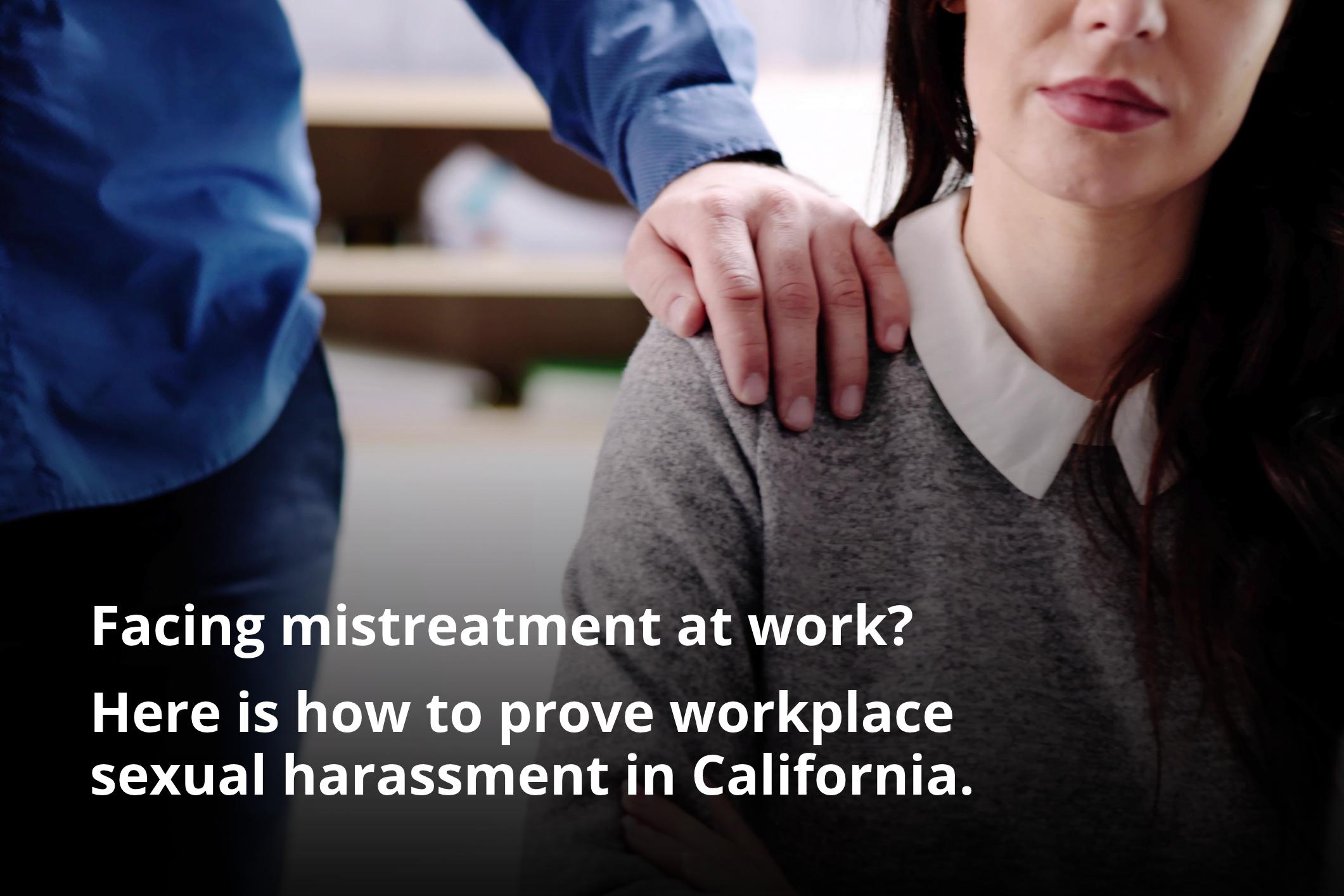
When someone at work makes an unwanted sexual comment, touches you without permission, or uses their position to pressure you, the hardest part may not be knowing that something is wrong. It may be figuring out what to do next. You might question whether anyone will believe you, worry about losing your job, or wonder if speaking up will make things worse.
These are real concerns, and you should not have to figure everything out before asking for help. You do not need a perfect record of every incident to start exploring your legal options. Understanding what happened, what evidence may support your account, and what California law protects can help you decide how to move forward.
At Thorsnes Bartolotta McGuire, we have protected people's rights since 1978. With 47 years of legal experience and more than $2 billion recovered for our clients, we understand that every case involves a person with a life, a livelihood, and concerns that go beyond the courtroom. If you have questions about workplace sexual harassment, call (619) 236-9363 or fill out our private online form for a free case evaluation, or contact us online.
California law protects workers from two main types of sexual harassment on the job: quid pro quo harassment and a hostile work environment.
- Quid Pro Quo: This is a Latin phrase that means "this for that." It happens when a supervisor, manager, or someone with power over your job ties your employment to sexual favors. For example, a boss might offer you a promotion, a raise, or a better schedule in exchange for a date. It also includes threats, such as telling you that you will be fired, demoted, or given bad assignments if you say no.
- Hostile Work Environment: This happens when unwelcome sexual behavior in your workplace is severe or happens often enough that it creates an intimidating, offensive, or abusive environment. It does not have to come from a boss, it can come from coworkers, clients, or vendors. If the behavior makes it hard for you to do your job safely and comfortably, it may be a hostile work environment.
Common Examples of Sexual Harassment
Sexual harassment can take many forms, from unwanted comments to physical contact or unfair treatment. Examples include:
- Unwanted touching, hugging, groping, pinching, or rubbing against someone
- Sexual jokes, crude remarks, insults, or name-calling
- Comments about someone's body, appearance, or sex life
- Unwanted questions about personal or intimate matters
- Repeated requests for dates or sexual favors after being rejected
- Offering promotions or other work benefits in exchange for sexual favors
- Threatening workplace consequences for rejecting sexual advances
- Sending unwanted sexual texts, emails, photos, memes, or videos
- Displaying sexually explicit images, posters, or other materials at work
- Staring, leering, making obscene gestures, or mimicking sexual acts
- Exposing intimate body parts or engaging in unwanted sexual conduct
- Invading someone's privacy in restrooms, changing rooms, or other private spaces
- Making degrading comments based on sex, gender, or sexual stereotypes
- Excluding or treating employees unfairly because of their sex or gender
- Spreading sexual rumors or making humiliating comments about someone's relationships
- Punishing or threatening someone for rejecting advances or reporting harassment
- Engaging in unwelcome sexual conduct at work events, business trips, or online meetings
To stand up for your rights under California law, you generally need to show four basic things:
- You worked for the employer, applied for a job there, or provided services as a worker.
- You experienced unwanted sexual conduct, comments, or behavior at work.
- The behavior was so severe or repeated that it changed your working conditions and created an abusive environment (or your job status depended on accepting the behavior).
- Your employer knew or should have known about the behavior and failed to take reasonable steps to stop it.
Reporting the Behavior to Your Employer
One of the most critical steps in building a strong claim is showing that you reported the conduct to your company. California law expects employers to prevent and correct sexual harassment.
If you feel safe doing so, report the behavior to Human Resources (HR), a manager, or a supervisor according to your employee handbook. Always put your report in writing—such as an email—or follow up a conversation with a quick email confirming what you discussed. This creates a clear paper trail showing that your company was aware of the problem and had a chance to fix it.
Workplace harassment steals your focus, your energy, and your sense of safety. But learning how do you prove sexual harassment in the workplace does not have to be a confusing journey you walk by yourself.
For 47 years, our family at Thorsnes Bartolotta McGuire has been helping people level the playing field against employers who cross the line. We only win when you win, meaning there is zero financial risk to reach out.
You do not have to put up with this any longer. Call (619) 236-9363 or contact us online today to get your free, no-pressure case review.
Knowing how to prove sexual harassment in the workplace often starts with preserving the evidence available to you. You do not need to have every detail figured out before seeking legal advice. Start by keeping records of what happened and how your employer responded.
1. Emails, Texts, and Other Digital Evidence
Save relevant emails, text messages, workplace chats, photos, videos, voicemails, and social media messages. Keep copies of sexually inappropriate images, comments, or other materials, including messages sent outside work if they relate to the harassment.
Calendar entries, meeting invitations, and call logs may also help establish when interactions occurred. Preserve the original messages when possible, including dates, sender information, and surrounding conversation. Screenshots can help, but avoid editing them in ways that remove important context.
2. Notes About Each Incident
Write down what happened as soon as you can. Include the date, time, location, what was said or done, who was involved, and the names of anyone who saw or heard the incident. If you cannot remember an exact date, an approximate date or time frame is still useful.
Record how the conduct affected your work, including whether you avoided certain people or locations, asked for a schedule change, or had trouble completing your duties.
3. Complaints to Your Employer
Keep copies of reports you made to a supervisor, human resources, or another designated contact. Save emails, written complaints, follow-up messages, investigation notices, and any responses you receive. If you reported the conduct verbally, write down when you spoke, whom you contacted, what you shared, and how that person responded.
Also document whether your employer interviewed witnesses, took steps to address the behavior, or left you without a clear response. T
4. Witnesses and Similar Complaints
Write down the names and contact information of people who saw or heard the conduct or whom you told about it soon afterward. A coworker may have witnessed an incident, noticed repeated inappropriate behavior, or heard the harasser make sexual comments. Someone you confided in may also be able to confirm when you first shared your experience.
Other employees’ accounts of similar conduct by the same person may be relevant in some cases. This evidence is sometimes called “me too” evidence.
5. Employer Policies, Personnel Records, and Investigation Documents
Keep copies of your employee handbook, sexual harassment policies, reporting procedures, and any employment agreement you can lawfully access.
Also, performance reviews, disciplinary notices, attendance records, promotion decisions, and records of job duties may help establish how you were treated before and after the harassment or complaint.
If you have access to investigation findings or written communications about the employer’s response, preserve them.
6. Evidence of Retaliation and Financial Loss
If your hours were cut, duties changed, performance reviews worsened, promotion opportunities disappeared, or you lost your job after reporting harassment, keep the related records. Save work schedules, pay stubs, time sheets, termination notices, disciplinary documents, and messages explaining workplace changes.
Employment contracts, commission statements, bonus records, and job offers may help document lost income or opportunities.
7. Medical Records and Other Evidence of Harm
If you sought medical care or counseling, relevant treatment records, provider notes, prescriptions, and bills may help document those effects. Receipts for related expenses may also be useful.
8. Evidence of a Pattern of Misconduct
Sometimes, the strongest picture comes from several pieces of evidence rather than one document. Repeated messages, multiple witness accounts, prior complaints, similar conduct toward other employees, or records showing that management ignored known problems may help establish a broader pattern.
Information about an employer’s past conduct may be relevant in some cases, but not every complaint or prior incident will be admissible in court. An attorney can help determine what evidence may be obtained and used legally.
A common worry for many workers is that no one else saw what happened. People often wonder: How can you prove sexual harassment in the workplace if it is just my word against theirs?
First, your own detailed statement is powerful legal evidence. Courts and state agencies listen carefully to step-by-step accounts of what happened. Second, circumstantial evidence, like changes in your work schedule, sudden negative job reviews after years of good work, or text messages sent immediately after an incident to a trusted friend or family member, helps confirm your account.
You Deserve to Be Heard. Let Us Help You Take the Next Step.
Speaking up about sexual harassment is not always easy, especially when your job, income, or professional future feels uncertain.
If you are asking, “How do you prove sexual harassment in the workplace?” a good place to start is with a conversation about your experience. You do not need a perfect paper trail or every answer before reaching out for legal guidance.
At Thorsnes Bartolotta McGuire, we have spent more than 47 years standing up for people whose lives have been changed by the actions of others. Call (619) 236-9363 or contact us online to schedule your free, private case evaluation.